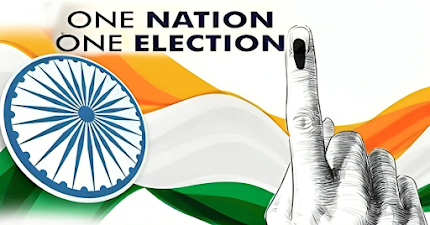
The Indian election system has come a long way since its inception. From the introduction of universal adult suffrage in 1950 to the use of electronic voting machines in recent years, the process of democratic elections in India has continuously evolved to ensure a fair and transparent exercise of the right to vote. With its sheer scale and complexity, the Indian election system is often hailed as a marvel of democracy. However, there are challenges and issues that need to be addressed to further strengthen this democratic process. In this article, we will explore the evolution of the Indian election system, the current electoral landscape, and the future trends that could shape the future of Indian democracy. Let’s dive in.
Understanding the Historical Context of Indian Elections
India, often touted as the world’s largest democracy, has a rich history when it comes to elections. The process of electing representatives to govern the country has evolved significantly over time and holds immense importance in shaping the nation’s political landscape. Understanding the historical context of Indian elections is crucial to comprehend the present-day dynamics and the challenges that democracy faces in this diverse and complex nation.
The foundation of India’s electoral system can be traced back to the early 20th century, during the British colonial era. The demand for representation and self-governance grew stronger, leading to the formation of the Indian National Congress (INC) in 1885. The INC played a pivotal role in fighting for independence and eventually became the dominant political party post-independence. The first General Elections in 1951-52 marked the official initiation of democracy in India, with the INC securing a sweeping victory.
However, it is important to note that India’s electoral history is not without its fair share of challenges and controversies. The partition of the subcontinent and the communal violence that followed left deep scars on the nation’s social fabric, which have influenced political developments. Additionally, the rise of regional parties, like the Dravida Munnetra Kazhagam (DMK) in Tamil Nadu or the Trinamool Congress (TMC) in West Bengal, has added another layer of complexity to Indian elections.
Today, Indian elections are an amalgamation of diverse voices and aspirations. With over 900 million eligible voters, the electoral process is a massive logistical feat, involving multiple phases across the states. The introduction of electronic voting machines (EVMs) in the 1990s brought about much-needed efficiency and transparency, although concerns about tampering persist.

Understanding the historical context of Indian elections allows us to grasp the complex interplay between democracy, identity politics, and socioeconomic factors. As the nation progresses, it becomes crucial to learn from the successes and failures of the past to strengthen democratic institutions. Only with this understanding can we appreciate the significance of elections in shaping India’s future and making it a true bastion of democracy on the global stage.
Key Components of the Indian Election System
The Indian election system is widely regarded as one of the largest and most complex in the world. With a population of over 1.3 billion people, conducting elections in India is no small feat. However, the system has several key components that ensure the smooth functioning of the democratic process.
First and foremost, the Election Commission of India plays a crucial role in overseeing the elections. The commission is an autonomous body that is responsible for the entire electoral process, from the delimitation of constituencies to conducting free and fair elections. It ensures that the elections are conducted in accordance with the principles of democracy and that all political parties are given a level playing field.
Another important component of the Indian election system is the use of electronic voting machines (EVMs). EVMs have revolutionized the way elections are conducted in India as they provide a quick and efficient method of voting. EVMs are tamper-proof and can store a large number of votes, making them an essential tool in conducting elections on such a large scale.

Additionally, the role of political parties and campaign finance is a crucial aspect of the Indian election system. Political parties play a vital role in mobilizing voters and shaping public opinion. The system also has regulations in place to ensure transparency and accountability in campaign finance. Parties are required to disclose their sources of funding and adhere to spending limits, ensuring a level playing field for all candidates.
In conclusion, the Indian election system comprises several key components that are essential for conducting fair and democratic elections. The Election Commission of India, electronic voting machines, and regulations on political parties and campaign finance are all integral to the smooth functioning of the system. Despite its size and complexity, the Indian election system continues to uphold the democratic principles of the country and give a voice to its citizens.
The Role of Technology in Shaping Indian Elections
With over 900 million eligible voters, India is the largest democracy in the world. And in recent years, technology has played a significant role in shaping the Indian elections. From social media campaigns to data analytics, the use of technology has revolutionized the way political parties campaign, communicate, and engage with voters.
One of the most notable ways technology has influenced Indian elections is through social media. Platforms like Twitter, Facebook, and Instagram have become powerful tools for politicians to reach out to a wider audience and spread their message. Political parties use targeted advertising, online campaigns, and personalized content to connect with voters in real-time. Social media has also empowered citizens to participate actively in political discussions, making their opinions heard and influencing public sentiment.
Additionally, technology has enabled data analytics to play a crucial role in election campaigns. Political parties now collect and analyze vast amounts of data to understand voter behavior and preferences. This helps them tailor their messages and strategies to specific demographics, maximizing their impact. Data-driven campaigning has revolutionized election campaigns, ensuring that parties can effectively target swing voters and better understand the needs and aspirations of the electorate.

Moreover, technology has also expedited the election process itself. Electronic voting machines (EVMs) have replaced the traditional paper ballots, making voting faster, more secure, and more efficient. EVMs have reduced incidents of electoral fraud and ensured a transparent voting process. Additionally, technology has enabled the Election Commission of India to streamline voter registration, digitize voter identification, and facilitate online access to electoral information.
In conclusion, technology has played a pivotal role in shaping Indian elections. From social media campaigns to data analytics and electronic voting, technology has revolutionized the way political parties campaign, connect with voters, and conduct elections. As technology continues to advance, it is likely to play an even more significant role in the future, influencing the democratic process in India and beyond.
Trends and Innovations in Voter Participation
Voter participation has always been a critical aspect of any democratic society. It is a fundamental right that empowers individuals to have a say in the direction of their country. However, over the years, we have witnessed a decline in voter turnout in many countries around the world. Thankfully, technology and innovative approaches are emerging to address this issue and increase voter participation.
One significant trend that has emerged is the use of online voter registration systems. Gone are the days when citizens had to physically visit their local election office to register to vote. With online registration, individuals can conveniently register from the comfort of their homes using their computer or smartphone. This removes barriers such as long waiting lines or limited office hours, making it easier for more people to participate in the electoral process.
Another innovation that aims to boost voter participation is the implementation of early voting options. Traditionally, citizens were required to cast their votes on a specific Election Day, which could pose challenges for those with busy schedules or limited mobility. However, several countries have introduced early voting, allowing people to cast their ballots in advance, either in person or by mail. This flexibility provides greater accessibility and convenience for voters, ultimately leading to higher turnout rates.

Furthermore, technology has also played a crucial role in engaging and mobilizing voters. Social media platforms, such as Facebook and Twitter, have become powerful tools for political campaigns and grassroots movements to connect with potential voters. Candidates can now reach a wider audience, share their platforms, and urge citizens to exercise their right to vote. Moreover, innovative apps and websites have been developed to provide voters with essential information, such as polling locations, candidate profiles, and even live election results, making it easier for people to stay informed and engaged.
In conclusion, trends and innovations in voter participation are gearing towards enhancing accessibility and convenience for citizens. Online registration systems, early voting options, and the utilization of technology and social media platforms are all contributing to increased voter engagement. As we continue to find ways to break down barriers and make the electoral process more user-friendly, we can hope to see a significant rise in voter participation, ensuring that the voices of the people are adequately represented in our democracies.
Challenges and Reforms in the Indian Election Process
The Indian election process is often regarded as the largest democratic exercise in the world. With a population of over 1.3 billion people, conducting elections in India is no easy task. However, along with the sheer scale, there are several challenges that the country faces in ensuring free and fair elections.

One of the major challenges is the issue of voter identification. With a large number of people living in rural areas and having limited access to identification documents, verifying voters’ identities becomes a complex process. The Election Commission of India has implemented various methods like voter ID cards and biometric identification to tackle this challenge, but there is still a long way to go in making this process seamless.
Another challenge is the influence of money and muscle power in elections. Candidates with deep pockets or connections often have an advantage in terms of campaign spending and mobilizing support. To curb the influence of money, electoral reforms have been proposed to regulate campaign financing and increase transparency. Similarly, efforts have been made to tackle the use of muscle power and criminal elements in the electoral process.
In recent years, there have been significant reforms to improve the Indian election process. The introduction of electronic voting machines (EVMs) has made voting quicker and more efficient. Additionally, the introduction of NOTA (None of the Above) option on the ballot has empowered voters to reject all candidates if they find them unsuitable. The Election Commission has also taken steps to increase voter education and awareness, encouraging more people to exercise their right to vote.
While there are still challenges to overcome, the Indian election process continues to evolve and adapt. With each election, there is an opportunity to address the issues that arise and implement reforms to ensure a more inclusive and transparent democracy. The involvement of technology, increased accountability, and voter empowerment are key factors in shaping the future of the Indian election process.
Electoral Campaigning in the Digital Age
In the digital age, electoral campaigning has undergone a significant transformation. With the rise of social media platforms and advancements in technology, politicians are increasingly leveraging these tools to reach and engage with voters. Gone are the days of traditional door-to-door canvassing and television advertisements as the sole means of campaigning. Today, candidates are utilizing a wide range of online strategies to craft their messages, target specific demographics, and ultimately win elections.

One of the key advantages of digital campaigning is the ability to reach a larger and more diverse audience. Social media platforms such as Facebook, Twitter, and Instagram allow politicians to connect with voters on a personal level, share their platforms, and highlight their achievements. Through targeted advertising and data analytics, candidates can tailor their messages to specific demographics and regions, ensuring that their campaign resonates with a wide range of voters. This level of personalization was virtually impossible in traditional forms of campaigning.
Moreover, the digital age has enabled candidates to engage directly with voters in real-time. Social media platforms provide a platform for politicians to not only share their views but also interact with their constituents. Whether it’s responding to comments and messages, hosting live Q&A sessions, or sharing behind-the-scenes moments, politicians can build genuine connections with voters. This level of accessibility fosters transparency and accountability, strengthening the relationship between candidates and the electorate.

However, while digital campaigning has numerous benefits, it also presents challenges. The online landscape can be crowded and competitive, with political messaging often getting lost in the noise. Additionally, issues such as misinformation and online trolls pose a threat to the integrity of electoral campaigns. It is crucial for politicians to navigate these challenges responsibly, by fact-checking information, promoting dialogue, and addressing concerns raised by the public. Only by doing so can digital campaigning truly be effective in shaping electoral outcomes.
In conclusion, the digital age has revolutionized electoral campaigning. With social media platforms and advanced targeting tools, candidates have the ability to reach a wider audience and engage directly with voters. While digital campaigning has its challenges, such as navigating the crowded online landscape and addressing misinformation, it undoubtedly offers politicians unprecedented opportunities to connect with the electorate. As technology continues to evolve, so too will electoral campaigning, and understanding and utilizing digital tools effectively will be key to success in future elections.
Impact of Social Media on Indian Election Outcomes
The Indian political landscape has witnessed a significant transformation in recent years, thanks to the rise of social media. With a growing number of Indians turning to platforms like Facebook, Twitter, and Instagram, these platforms have increasingly become arenas for political discourse and mobilization. And as the country gears up for its next general elections, the impact of social media on the outcome of these elections cannot be ignored.
One of the most notable effects of social media on Indian elections is the ability to reach a wider audience. Political parties and candidates now have the opportunity to directly connect with voters, bypassing traditional media channels. This has allowed for the rapid dissemination of information, agendas, and messaging, and has given a voice to marginalized groups who may have otherwise been unheard.

However, the impact of social media on election outcomes is not always positive. The spread of fake news and misinformation is a major concern. In a country as diverse as India, where religious and ethnic fault lines exist, false information can easily stoke tensions and polarize communities. Moreover, the algorithms that power social media platforms often create echo chambers, reinforcing existing viewpoints and limiting exposure to diverse perspectives.
Another issue is the potential for social media to be manipulated by vested interests. The use of bots, trolls, and paid influencers to spread propaganda and manipulate public opinion has become a common tactic during elections. This undermines the authenticity and credibility of the political process, making it increasingly difficult for voters to make informed choices.
As India heads into its next general elections, it is crucial to critically examine the impact of social media. While these platforms have undoubtedly revolutionized the way politics is conducted, they also come with their fair share of challenges. It is essential for voters, policymakers, and tech companies to work hand in hand to ensure that social media remains a force for good in shaping the future of Indian democracy.
Ensuring Fairness and Transparency in Indian Elections
The Indian electoral system is one of the largest and most complex in the world. With over 900 million eligible voters, ensuring fairness and transparency in elections is crucial to uphold the democratic principles of the nation. To achieve this, several measures have been put in place.

Firstly, the Election Commission of India plays a vital role in ensuring fair elections. It is an independent body responsible for conducting elections, and it has implemented various initiatives to enhance transparency. For instance, the introduction of the Voter Verifiable Paper Audit Trail (VVPAT) system allows voters to cross-verify their choices, ensuring accuracy and preventing electoral fraud.
Secondly, strict rules have been implemented to promote ethical behavior during elections. The Model Code of Conduct sets guidelines for political parties and candidates, preventing the misuse of power, hate speech, and other unethical practices. The media also plays a crucial role in informing the public and holding the authorities accountable.
Lastly, technology has revolutionized the electoral process in India. Initiatives such as online registration, electronic voting machines, and the use of biometric identification have made voting more convenient and transparent. The introduction of centralized databases has helped eliminate ghost voters and enhance the accuracy of voter rolls.

While these measures have undoubtedly improved the fairness and transparency of Indian elections, challenges still exist. Fake news, hate speech, and the misuse of money power continue to plague the electoral process. However, ongoing efforts to regulate and monitor social media platforms, along with stricter implementation of election laws, are steps in the right direction.
Ensuring fair and transparent elections is essential for a thriving democracy like India. By continuing to adapt and implement reforms, the country can safeguard the democratic rights of its citizens and maintain the integrity of its electoral system.
The Youth Vote: A Game-Changer in Indian Politics
The youth vote has always been seen as a game-changer in Indian politics. With over 600 million eligible voters under the age of 35, the youth demographic has the potential to influence electoral outcomes significantly. In recent years, we have seen an increasing interest and participation from young Indians in the political process, marking a shift in the traditional dynamics of power.
One of the main reasons for the growing influence of the youth vote is the rise of social media and digital platforms. The internet has provided a platform for young voices to be heard, allowing them to engage in political discussions and mobilize support for their preferred candidates. Social media campaigns have played a crucial role in shaping public opinion and rallying the youth around important issues. From highlighting social injustices to advocating for policy changes, young Indians are using social media as a tool for political activism.

Moreover, the youth vote is often seen as a catalyst for change. With fresh perspectives and a desire for a better future, young voters are more likely to support candidates who champion progressive ideas and reforms. This has led to the rise of youth-oriented political parties that prioritize the concerns of the younger generation. The youth vote has been instrumental in shaping policies on education, employment, and environmental sustainability, among others.
However, it is important to note that the youth vote alone is not sufficient to bring about significant change. It needs to be coupled with effective political leadership and policies that address the needs of all sections of society. Efforts should be made to encourage more young people to participate in politics, not just as voters but as active members of political parties and decision-makers. Only then can the youth vote truly become a powerful force that can shape the future of Indian politics.
Predicting the Future of the Indian Election System
As India continues to evolve and grow, so too does its electoral system. The future of the Indian election system holds many possibilities, with advancements in technology and changing political landscapes playing a significant role. One key aspect that is expected to shape the future of Indian elections is the use of Artificial Intelligence (AI) and data analytics. With AI’s ability to analyze vast amounts of data and detect patterns, it can help predict voter behavior and identify potential trends in voting patterns. This can greatly aid political parties in developing their election strategies and effectively targeting specific demographics.
Another important aspect that may revolutionize the Indian election system is the increasing use of online voting and digital platforms. As technology advances and internet penetration increases, more and more voters are likely to opt for the convenience of voting online. This can potentially increase voter turnout, as it eliminates the need for physical presence at polling stations. However, it also poses challenges in terms of cybersecurity and ensuring the integrity of the voting process. Implementing robust security measures will be crucial to gain public trust and confidence in online voting.

Additionally, the growing role of social media in politics is expected to have a significant impact on the future of the Indian election system. Social media platforms like Facebook and Twitter have become powerful tools for political campaigns, allowing parties to reach a vast audience and engage with voters directly. However, fake news and misinformation are rampant on these platforms, posing a threat to the democratic process. Implementing stringent regulations and fact-checking mechanisms will be essential to maintain the credibility of online political discourse.
In conclusion, the future of the Indian election system holds immense potential for growth and innovation. By harnessing the power of technology, such as AI and online voting, and effectively managing the impact of social media, India can strengthen its democratic process and ensure fair and transparent elections. However, it will be crucial for policymakers to address the challenges posed by these advancements and prioritize the integrity and security of the electoral system. Only by staying ahead of the curve and adapting to the changing landscape can India truly predict a future where the electoral system is efficient, inclusive, and trustworthy.
Follow for more …..!!
Jai Hind !